
Winter Surfing in Europe: Where to Surf from November to March
The Canary Islands, Portugal or the Basque Country: where to go winter surfing in Europe for your level, which wetsuit to pack and which spots to leave to experts.
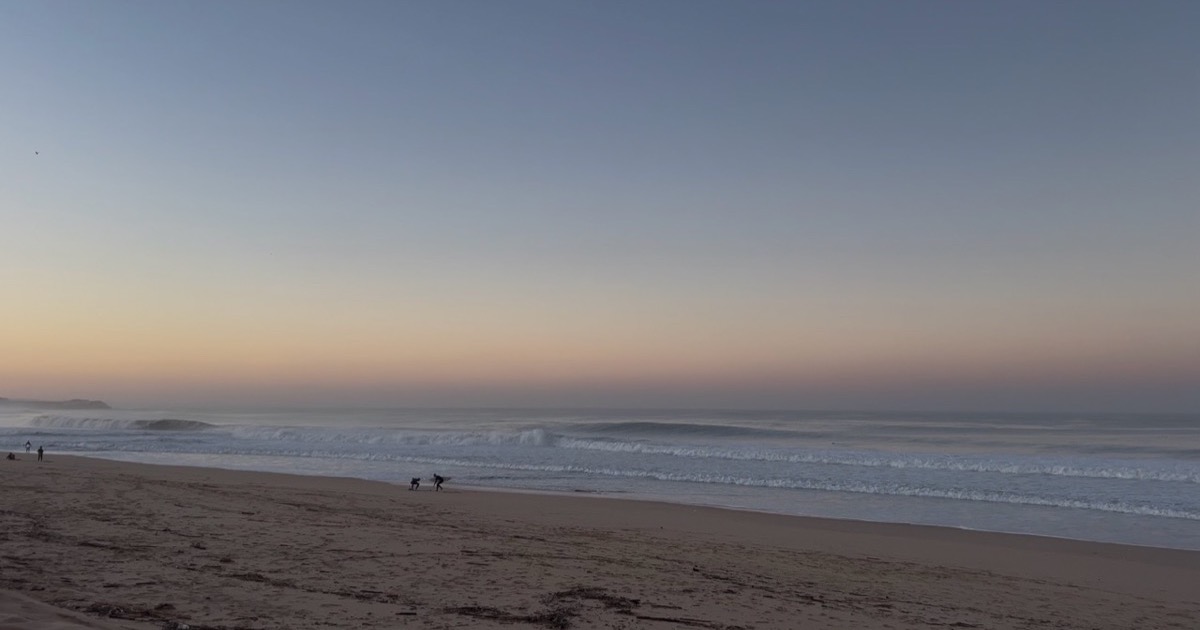
If you are a beginner or an intermediate looking for winter surfing in Europe, the Canary Islands are the easiest pick: water around 18°C and plenty of sandy beaches to learn on. Portugal is a great second choice if you can handle cooler water. The Basque Country and southwest France also work, but the water is cold and the swell is often too big for newer surfers.
Winter is when the big North Atlantic swells arrive. You get waves more often than in summer, but they also carry a lot more power. So the real question is not where to find waves, it is where to find waves that match your level.
Winter Surfing in Europe: What Changes from November to March
From November to March, storms far out in the Atlantic send long, powerful swells toward the coast. The famous reefs and point breaks come alive, and those are exactly the spots to leave to experienced surfers.
Keep three things in mind:
- Wave size: a so-called average winter swell can already be too big for a beginner. Look for sheltered beaches or smaller days.
- The cold: it drains your energy, shortens your sessions and makes every wipeout harder. A good wetsuit makes a huge difference: our wetsuit thickness guide helps you pick the right one for the water temperature.
- Short days: less daylight means fewer windows to surf. Check the tide and wind the night before.
If you are just starting out, book lessons with a local surf school. In winter, instructors know which corner of the beach stays surfable when the rest of the spot is maxing out.
Canary Islands: Warm-Water Winter Surf
In the Canaries, the water sits around 18°C in January. A 3/2 wetsuit is enough for most people, or a 4/3 if you feel the cold. It is the mildest place in Europe to surf in December or February.
Lanzarote
- Famara: a long sandy beach with lots of surf schools. The middle of the beach, over sand, is where beginners learn. It is the go-to spot on the island to build your skills.
- La Santa and El Quemao: fast, hollow waves over shallow volcanic reef. Experts only. Watching from the shore is a show in itself.
Fuerteventura
- El Cotillo: a sandy beach with lefts and rights. On small swells it can work for beginners with a coach, but in the heart of winter it suits intermediates better.
- The North Shore (between El Cotillo and Corralejo): waves breaking over volcanic reef, for experienced surfers.
- Lobos: a long, fast right off the small island of Lobos, for advanced surfers.
The catch in the Canaries is that volcanic reef is everywhere. Even at a beach, ask a local school exactly where to paddle out.
Portugal: Ericeira, Peniche and Sagres
In Portugal, the water drops to roughly 14 to 17°C in winter. Pack a 4/3 and boots if you get cold easily. In return, you get a huge choice of spots and surf almost every day.
Ericeira
Ericeira is a World Surfing Reserve with an amazing density of quality waves. Most of them, though, break over reef:
- Foz do Lizandro: a sandy beach and the best fit for beginners, especially on calmer days.
- Ribeira d'Ilhas: a long right over reef, for solid intermediates and advanced surfers.
- Coxos: a powerful, hollow right over shallow reef. Experts only.
Peniche and Baleal
Peniche is often easier for beginners in winter because the peninsula has beaches facing different directions. There is nearly always a more sheltered side.
- Baleal: a gentler, less powerful beach break than its neighbours, good for beginners and intermediates.
- Supertubos: one of the most famous beach breaks in Europe, hollow and heavy. For experienced surfers.
Sagres (Algarve)
Sagres sits at the southwest tip of Portugal, between the exposed west coast and the calmer south coast. When a big winter swell hits the west, south-facing beaches like Mareta or Martinhal get smaller waves that suit beginners. Tonel, facing west, is more for intermediates and experienced surfers.
Basque Country and Southwest France: For Seasoned Surfers
On the French side, the water is around 11 to 14°C in winter. You need a 5/3 with boots, and often gloves. Winter here is big-wave season, not learning season.
- Hossegor, La Nord: a big-wave spot that really starts working from about 3 metres. Experts only.
- The Landes coast in general: powerful beach breaks with rips and strong currents. Not a great place to learn in winter.
- Biarritz, Côte des Basques: a well-known learning spot, with softer waves at the northern end. In winter it can still work on small days, with a school.
Over the border in Spain, Mundaka is a legendary rivermouth left for experts only, and it is usually at its best in autumn. If you are a beginner or intermediate, the Basque Country in winter is mostly a great place to watch the best surfers in action.
Which Spot for Which Level? Quick Comparison
| Destination | Winter water | Wetsuit | Who it suits in winter |
|---|---|---|---|
| Canary Islands | about 18°C | 3/2 or 4/3 | Beginners to experts, depending on the spot |
| Portugal (Ericeira, Peniche, Sagres) | about 14 to 17°C | 4/3, boots recommended | Beginners to experts, depending on the spot |
| Basque Country and Landes | about 11 to 14°C | 5/3, boots, gloves | Mostly solid intermediates and experts |
If you are happy to leave Europe, Morocco is also a very popular winter surf destination, with milder water than Portugal.
Staying Safe When You Surf in Winter
Winter is not forgiving when you misjudge conditions. A few simple habits help:
- Surf within your level. If the waves look too big from the beach, they are.
- Never paddle out alone in conditions you do not know. When you travel, Foamies can help you find other surfers nearby to share a session with.
- Check the forecast (swell, period, wind, tide) before you go, and ask the surf school or lifeguards for advice where there are any.
- Respect priority, especially at well-known spots where the lineup gets busy.
- Get out before you are exhausted. In cold water, fatigue comes on fast.
For hazards specific to each spot (currents, reef, access), your best source is always the local surf school or local surfers.
FAQ
Where can beginners surf in Europe in winter?
The Canary Islands are the easiest option, for example Famara on Lanzarote. In Portugal, Baleal near Peniche or the south-facing beaches around Sagres are also good choices. Wherever you go, take lessons with a local school.
What wetsuit do I need to surf in December?
Plan on a 3/2 or 4/3 in the Canaries, a 4/3 in Portugal, and a 5/3 with boots and gloves in the Basque Country. When you are cold you learn less, so it is better to pack slightly too warm than too light. To match your suit to the water temperature, see our wetsuit thickness guide.
Is November already winter surf season?
Yes. On the Atlantic coast, November usually brings the first winter swells, with bigger and more consistent waves. It is a great month for intermediates, as long as you pick your days and spots carefully.